What Are Mitochondria?
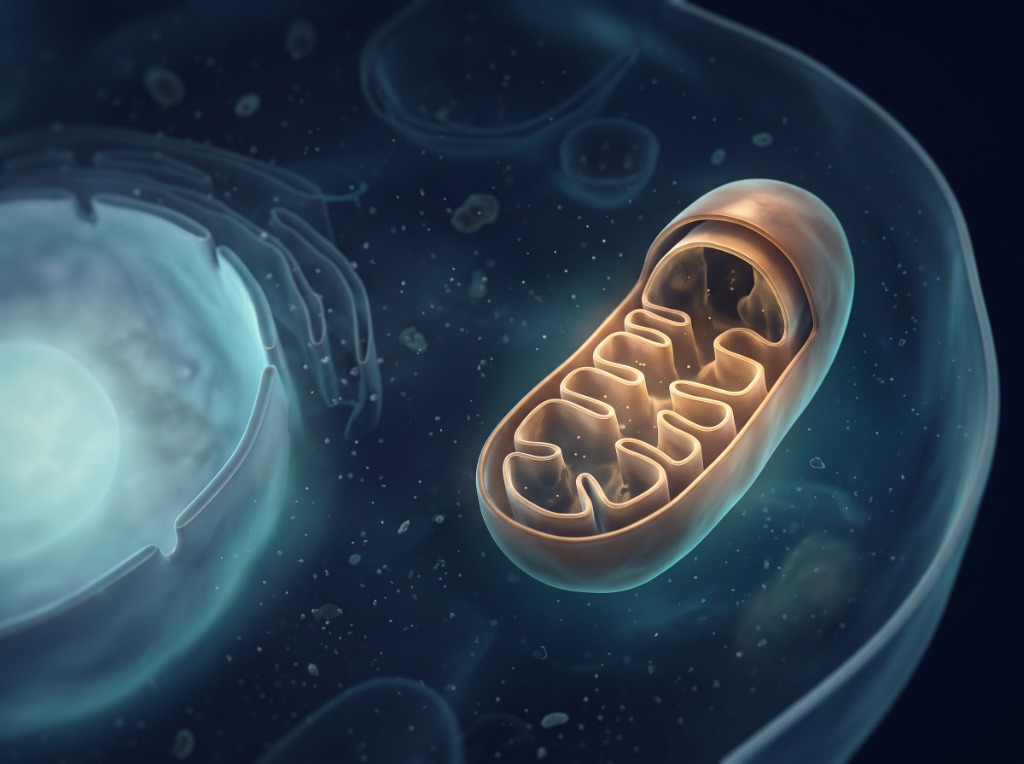
Mitochondria are double-membraned organelles present in nearly all human cells (with the exception of mature red blood cells). Rather than simply storing energy like a static battery, they function as dynamic conversion centers. They take breakdown products from the carbohydrates, fats, and proteins you eat and combine them with oxygen to generate a chemical molecule cells can immediately use.
Adenosine Triphosphate (ATP): The Body’s Energy Currency
Cells cannot directly use a bowl of rice, a piece of fish, or a slice of papaya to contract a muscle fiber. Instead, nutrients must first be digested and broken down into smaller substrates—such as glucose, fatty acids, and amino acids. Inside the mitochondria, these substrates pass through the citric acid cycle and the electron transport chain to produce adenosine triphosphate (ATP).
Every time a heart muscle cell beats, a nerve cell transmits a signal, or a tissue repairs microscopic wear, ATP releases a phosphate group and transfers energy. Your mitochondria then recycle that molecule back into ATP thousands of times per day.
Inside the Mitochondrial Structure
Understanding why mitochondria are sensitive to oxygen delivery, nutrition, and rest becomes easier when looking at their internal architecture:
How Everyday Habits Support Cellular Energy Production
Because mitochondrial pathways rely on continuous oxygen delivery, enzyme cofactors, and periodic cellular maintenance, foundational lifestyle habits remain the most reliable way to support them:
1. Regular Aerobic Movement
Brisk walking and moderate physical activity signal muscle cells to maintain mitochondrial density and improve oxygen utilization over time.
2. Micronutrient-Rich Foods
Whole proteins, leafy greens, legumes, and seeds supply B-vitamins, iron, magnesium, and antioxidants that participate in normal metabolic reactions.
3. Consistent Deep Sleep
Overnight rest lowers metabolic demand and gives cells time to clear metabolic byproducts accumulated during waking activity.
In popular wellness media, the word “mitochondria” is sometimes used to make exaggerated promises. No single food, beverage, or lifestyle product is proven to “activate” mitochondria overnight or guarantee an immediate surge in energy. Sustainable vitality is built gradually through balanced daily routines.